


A fishing rod is more than just gear. It’s a trusted companion on early morning lake trips, weekend river outings, and deep-sea adventures. When it breaks, many anglers feel discouraged. Yet, learning how to fix a broken fishing rod can save money and preserve sentimental value. Whether the tip snapped, a guide loosened, or the handle cracked, most issues are repairable. With basic tools and patience, you can restore function without buying a new rod. This knowledge matters even more for custom or vintage models that aren’t easily replaced. The good news is that repairs don’t require expert-level skills.
Moreover, knowing how to fix a broken fishing rod builds confidence in your equipment care. Instead of tossing aside a slightly damaged pole, you extend its life. You also gain insight into how rods work. Each part plays a role in casting accuracy, sensitivity, and durability. From graphite shafts to stainless steel guides, understanding these components helps prevent future damage. This article covers common break types, step-by-step fixes, tool recommendations, when to replace versus repair, and long-term protection tips. By the end, you’ll know exactly what to do when your favorite rod fails mid-cast.
 Common Types of Fishing Rod Damage
Identifying Breaks, Cracks, and Loose Components
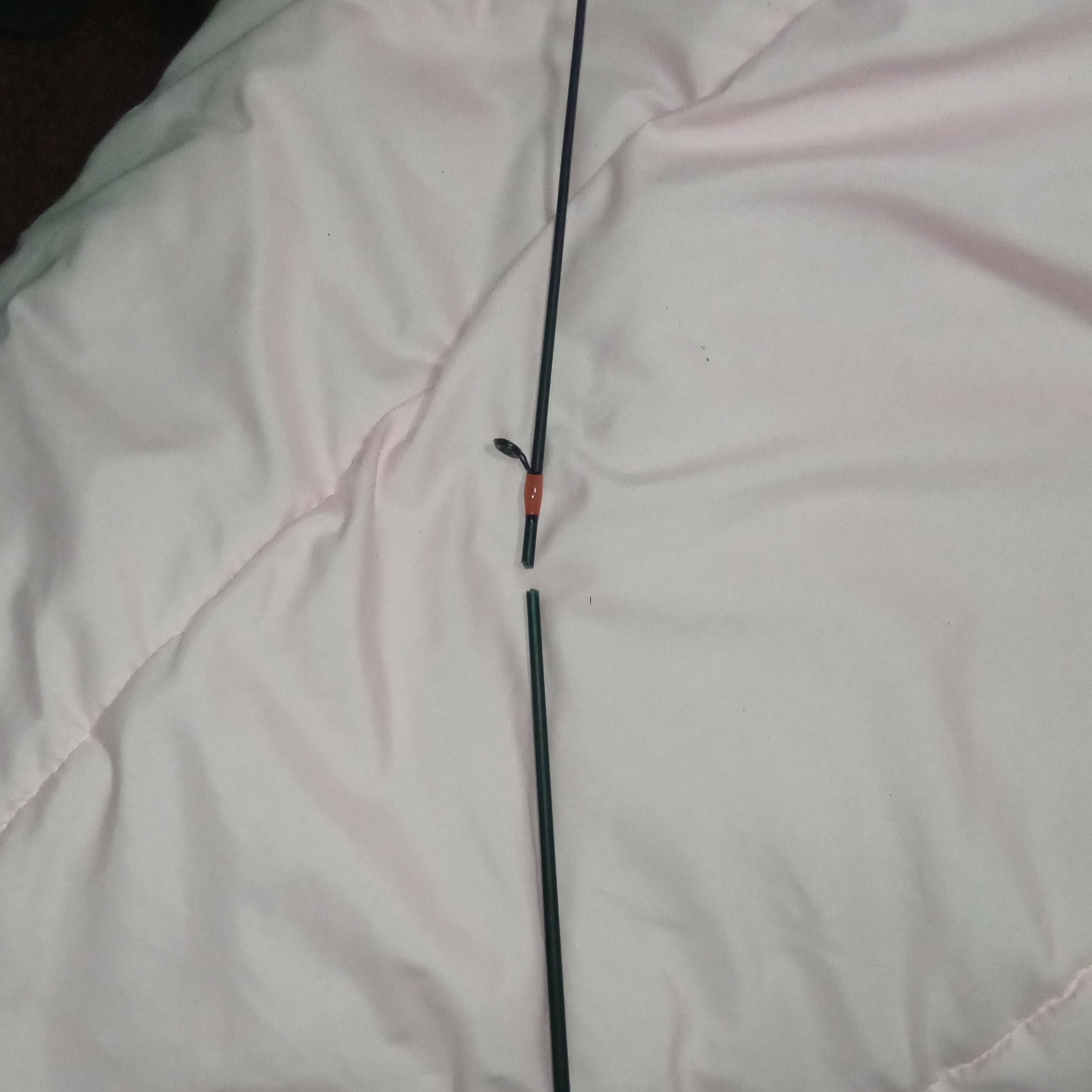
Before diving into how to fix a broken fishing rod, you must identify the type of damage. The most frequent issue is a broken tip. This occurs when the rod flexes too far. Snapping often happens during casting or fighting strong fish. Tip breaks reduce sensitivity. They also weaken casting distance.
Another common problem is loose or missing guides. These small rings keep the line aligned. Over time, glue wears out. Saltwater exposure speeds corrosion. A missing guide causes tangles. It also increases stress on nearby sections.
Cracks along the blank are serious. These appear as thin lines near the base or middle. Cracks grow with use. They may split the rod completely. Immediate attention is required.
The reel seat can loosen too. Screws fall out. Threads wear down. This affects balance. The reel wobbles during retrieval.
Handle damage includes splits or detached grips. Foam grips crack from sun and moisture. Cork handles shrink or chip.
Eyelets may bend. This alters line flow. Friction increases. Line wear follows.
Each issue requires a different fix. Accurate diagnosis comes first. Inspect the rod under bright light. Rotate slowly. Look for gaps, discoloration, or misalignment.
Knowing the exact problem ensures proper repair.
Tools and Materials Needed for Repairs
Gathering Supplies Before Starting
To properly learn how to fix a broken fishing rod, you need the right tools. Start with safety gear. Wear gloves and eye protection. Fiberglass or graphite shards can be sharp. Dust from sanding is harmful if inhaled.
Next, gather cleaning supplies. Use isopropyl alcohol and clean cloths. Wipe all surfaces before working. Remove dirt and old adhesive. This improves bonding.
For gluing tasks, get high-quality epoxy. Two-part marine epoxy works best. It dries hard. It resists water and UV rays. Avoid household super glue. It becomes brittle over time.
You’ll need sandpaper. 120 to 400 grit papers help smooth edges. They prepare surfaces for rewrapping or regluing.
Small brushes apply epoxy evenly. Toothpicks help with precision.
If replacing guides, buy new ones. Match size and material to the original. Stainless steel or titanium guides last longer. Include thread spools. Black, red, or clear threads are popular.
A wrapping jig holds the rod steady. It allows even tension. DIY versions use wood blocks. But store-bought jigs offer better control.
Scissors cut thread cleanly. Burnishing tools polish wraps.
A heat gun or hairdryer sets glue faster.
Keep everything organized. Work in a clean, dry space.
Preparation prevents mistakes.
 Step-by-Step: How to Fix a Broken Rod Tip
Replacing or Repairing the Top Section
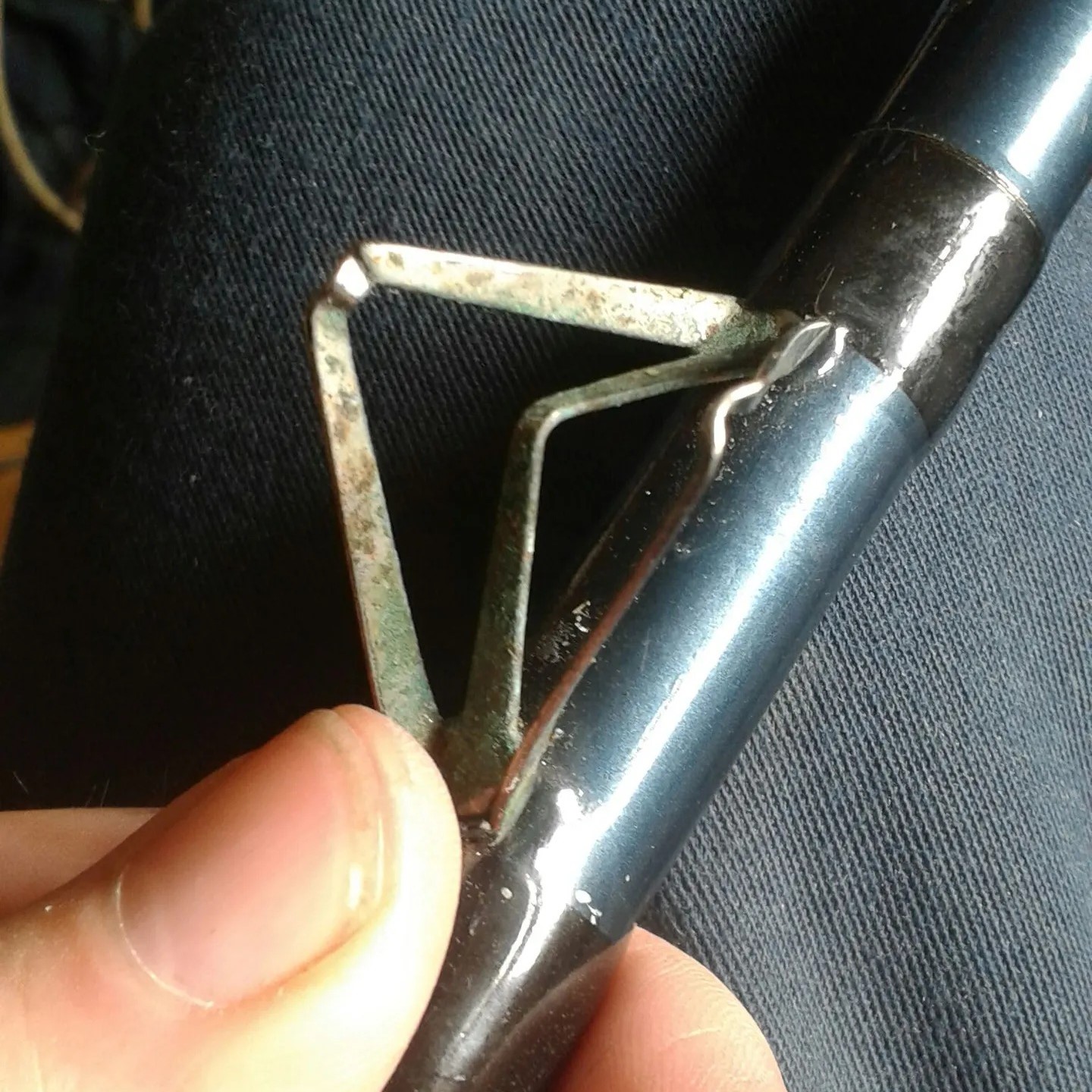
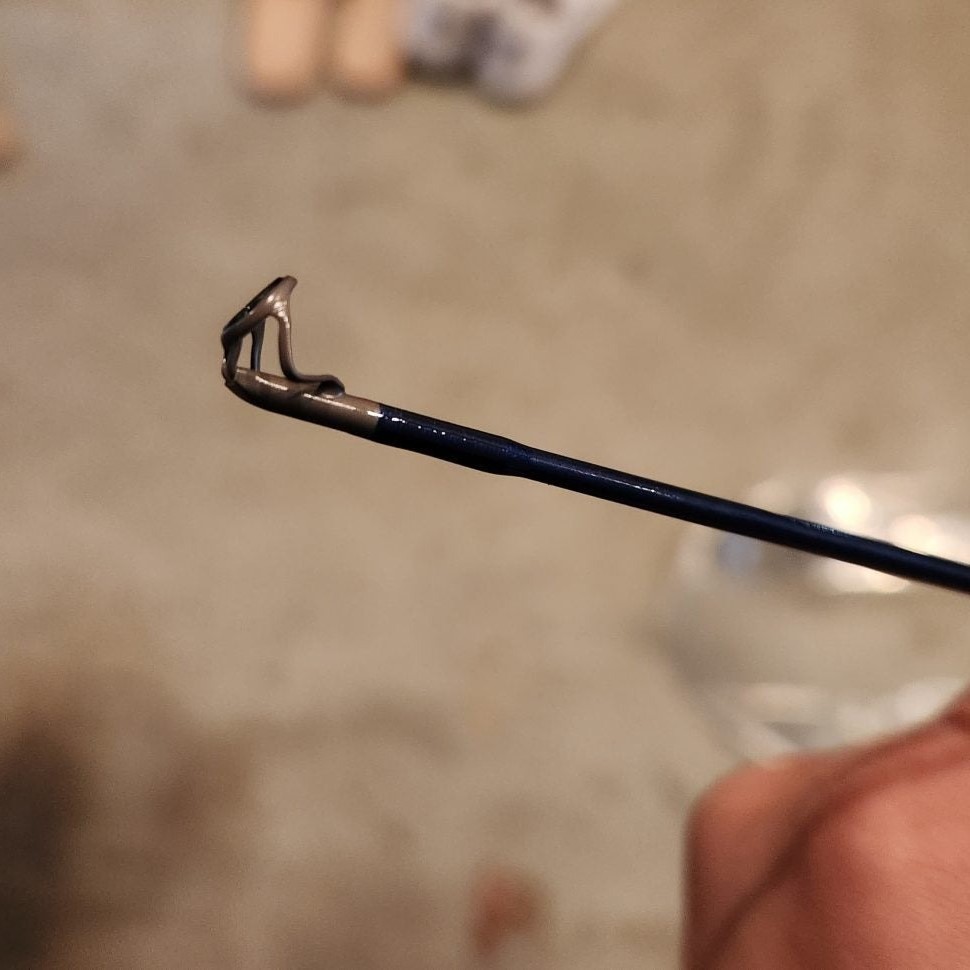
One of the most frequent reasons to learn how to fix a broken fishing rod is a snapped tip. If only the very end broke, you may not need full replacement. First, remove any jagged edges. Sand gently. Smooth the surface. Then apply marine epoxy. Shape it slightly to mimic the original taper. Let dry completely.
However, if the break is large, consider replacing the tip section. Some rods come in multi-piece designs. Unscrew the damaged part. Insert a new one. Push firmly. Add a drop of epoxy for security.
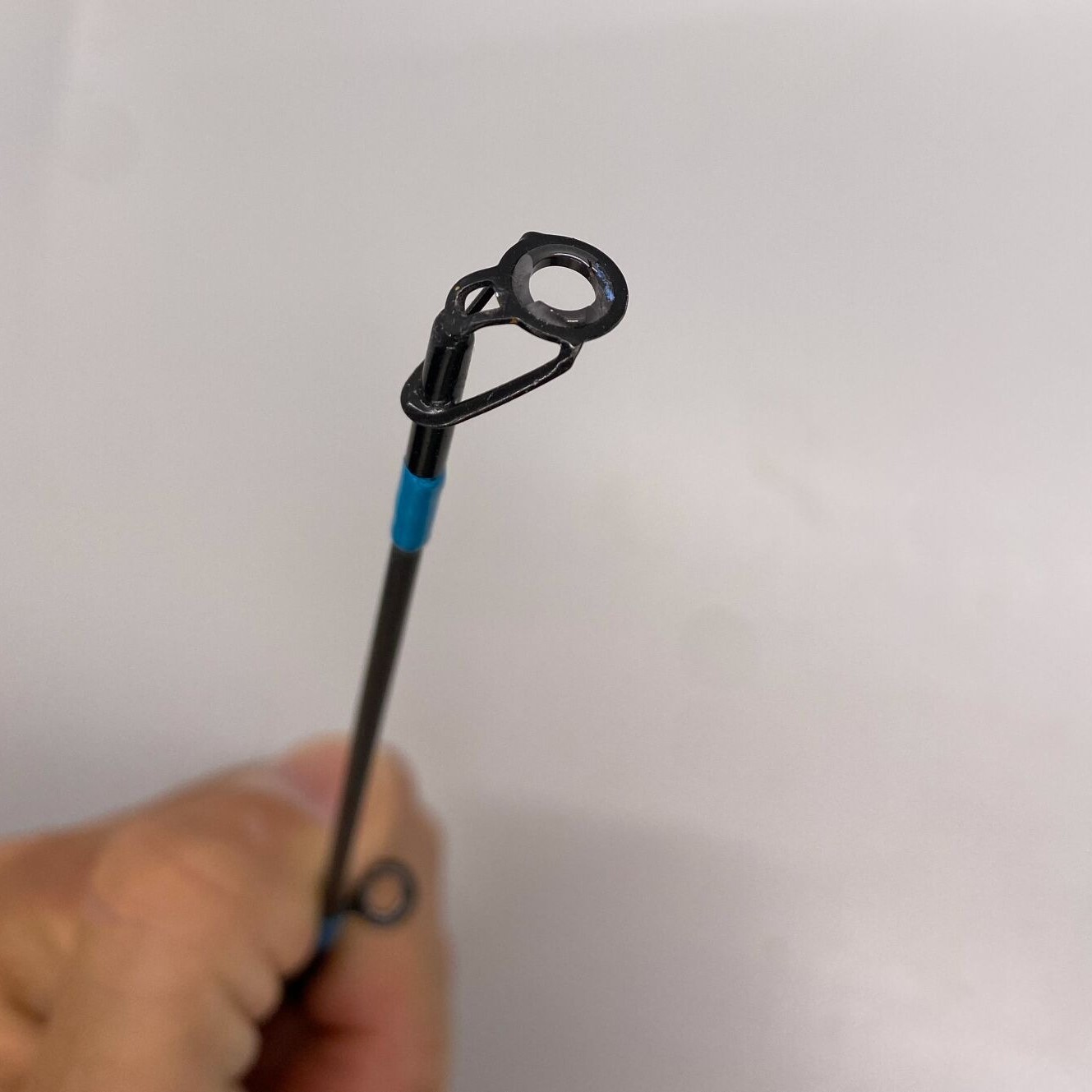
For one-piece rods, install a replacement tip-top guide. These include a short metal stem. Insert it into the blank. Secure with epoxy. Wrap fiberglass tape around the joint. Let cure. This method restores length and function.
Alternatively, purchase a complete tip replacement kit. These match specific rod brands. Follow included instructions.
After fixing, test flexibility. Bend gently. Listen for cracking sounds. Check alignment. The tip should line up straight.
Wait at least 24 hours before using. Epoxy needs full cure time.
Once dry, add a protective coat. Clear nail polish or specialized rod finish seals the area.
Avoid heavy loads at first. Test with light lures. Gradually return to normal use.
A fixed tip can perform like new.
Reattaching or Replacing Lost Guides
Wrapping Thread and Securing Proper Alignment
Losing a guide disrupts line control. That’s why how to fix a broken fishing rod includes guide repair. First, remove the old base. Use pliers to pull out remnants. Clean the area with alcohol. Scrape off old glue.
Choose a matching replacement. Size matters. Measure inner diameter. Buy the same height and width. Slide it into position. Align carefully. It must sit flat against the blank.
Use a marker to trace its outline. This helps during rewrapping.
Apply epoxy to the base. Do not overuse. A small amount spreads well. Position the guide. Hold for 30 seconds.
Now, wrap thread tightly around the base. Start several inches before the guide. Use consistent tension. Loop back and forth. Cover the entire base. Stop after passing the other side.
Secure the end with a half-hitch knot. Trim excess.
Burnish the wrap. Rub with a burnishing tool. This compresses the thread. It creates a smooth surface.
Apply rod finish. Brush it over the wrapped area. It soaks in. Let dry. Apply a second coat.
Wait 24 hours before fishing.
Properly rewrapped guides last years.
 Repairing Cracks in the Rod Blank
Stabilizing Splits Without Weakening Structure
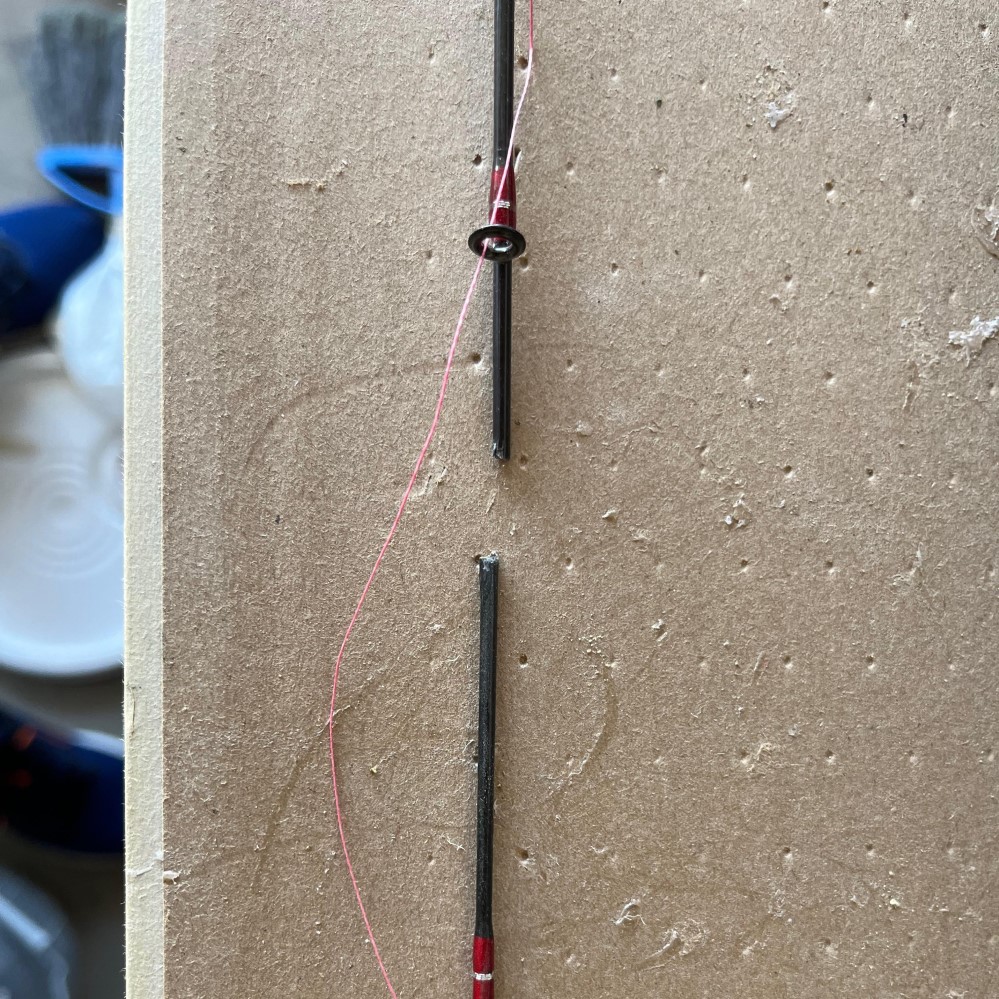
Cracks threaten the rod’s integrity. Knowing how to fix a broken fishing rod with cracks is essential. Small hairline cracks can be sealed. Larger ones need reinforcement.
Begin by cleaning the area. Use alcohol. Dry thoroughly.
Mix marine epoxy. Apply generously into the crack. Use a toothpick to force it deep. Let sit for 5 minutes. Wipe away excess.
For deeper splits, add fiberglass tape. Cut a small strip. Place over the crack. Seal with more epoxy. Smooth evenly.
Allow full cure. At least 24 hours.
Sand lightly once dry. Use fine paper. Remove bumps.
Seal with rod finish. Apply two coats. Let dry between layers.
Test cautiously. Flex the rod slowly. Watch for movement.
If the crack reopens, stop use. Consider professional repair or replacement.
Never fish with a visibly splitting blank. Pressure will worsen it.
Early action prevents total failure.
Small repairs now avoid big losses later.
Fixing Handle and Reel Seat Issues
Regripping, Refinishing, and Securing Attachments
Handle problems affect comfort and balance. To understand how to fix a broken fishing rod fully, address grip issues. Foam grips crack. Cork shrinks. Both loosen over time.
For minor cracks, seal with epoxy. Clean first. Fill gaps. Smooth surface. Let dry. Finish with clear coat.
If the grip is beyond repair, replace it. Remove old pieces. Soak in warm water. Soften adhesive. Pull off carefully.
Slide on a new pre-cut grip. Use contact cement. Apply to both surfaces. Wait a few minutes. Press together. Align straight. Clamp gently. Let dry overnight.
Reel seats may spin or wobble. Tighten screws. Replace missing ones. Use thread locker to prevent loosening.
If the seat is cracked, replace it. Heat helps removal. Warm with a hairdryer. Twist gently. Install new seat. Glue securely.
Always check alignment. The reel must sit level. Misalignment causes casting errors.
Refinished handles look and feel like new.
 Preventing Future Damage After Repair
Storage, Handling, and Maintenance Tips
Fixing a rod is only half the battle. Preventing repeat damage completes how to fix a broken fishing rod. Store rods horizontally in a rack. Never leave them leaning in corners. Uneven pressure weakens blanks.
Use rod sleeves or cases during transport. Bump bars in vehicles cause micro-cracks. Protect each section.
Clean after saltwater use. Rinse with fresh water. Dry completely. Salt corrodes guides and reels.
Avoid stepping on rods. Lay them down safely. Use a float tube or anchor rig.
Don’t overload the rod. Match line strength to lure weight. Fighting oversized fish strains the blank.
Inspect regularly. Look for loose guides, cracks, or frayed wraps. Early detection saves effort.
Replace worn parts proactively. Don’t wait for failure.
Treat your rod like a precision tool. Because it is.
 Frequently Asked Questions
Common Concerns About Fixing Fishing Rods
Can I fix a rod with a major crack? Only if it’s near the end. Mid-blank cracks usually mean replacement.
How long does epoxy take to dry? Most set in 6–8 hours. Full strength takes 24 hours.
Is it worth repairing an old rod? Yes. Especially if sentimental or rare.
Can I replace multiple guides at once? Absolutely. Just work one at a time.
Do I need special tools? Basic ones work. A jig helps but isn’t mandatory.
Will repaired rods cast well? Yes. If done correctly.
Can I use Gorilla Glue? Not recommended. It foams and expands.
Where should I buy replacement parts? Online stores, tackle shops, or manufacturer sites.
Final Thoughts
Why Learning How to Fix a Broken Fishing Rod Matters
Understanding how to fix a broken fishing rod empowers every angler. It turns frustration into action. Instead of discarding a trusted tool, you restore it. Repairs save money. They also reduce waste. Many rods last decades with proper care. Whether you’re a weekend hobbyist or seasoned fisherman, this skill adds value. It strengthens your connection to the sport. A fixed rod carries stories of survival. It reflects resilience—just like the fish you chase. Mastering this knowledge means never letting a single break end your fishing journey.