



The mini Kindle is a game-changer for book lovers who value portability without sacrificing reading quality. While Amazon does not officially name a model “mini Kindle,” many users refer to the Kindle Paperwhite or even the compact Kindle Kids Edition as a mini Kindle due to their smaller size and lightweight design. These devices offer an ideal balance between screen real estate and ease of use. They fit comfortably in small hands, slip into purses, and travel effortlessly in backpacks. With long battery life and glare-free displays, they make reading enjoyable anywhere. Whether you’re commuting, lounging at the park, or winding down before bed, the mini Kindle delivers a distraction-free experience.
Moreover, this category of e-readers appeals to students, travelers, and casual readers alike. Its slim profile makes it easy to hold with one hand. At the same time, its core features—like adjustable warm light, water resistance, and access to millions of books—remain fully functional. As more people seek digital alternatives to heavy paperbacks, understanding what makes the mini Kindle special becomes increasingly important.
 What Makes a Kindle “Mini”? Understanding Size and Design
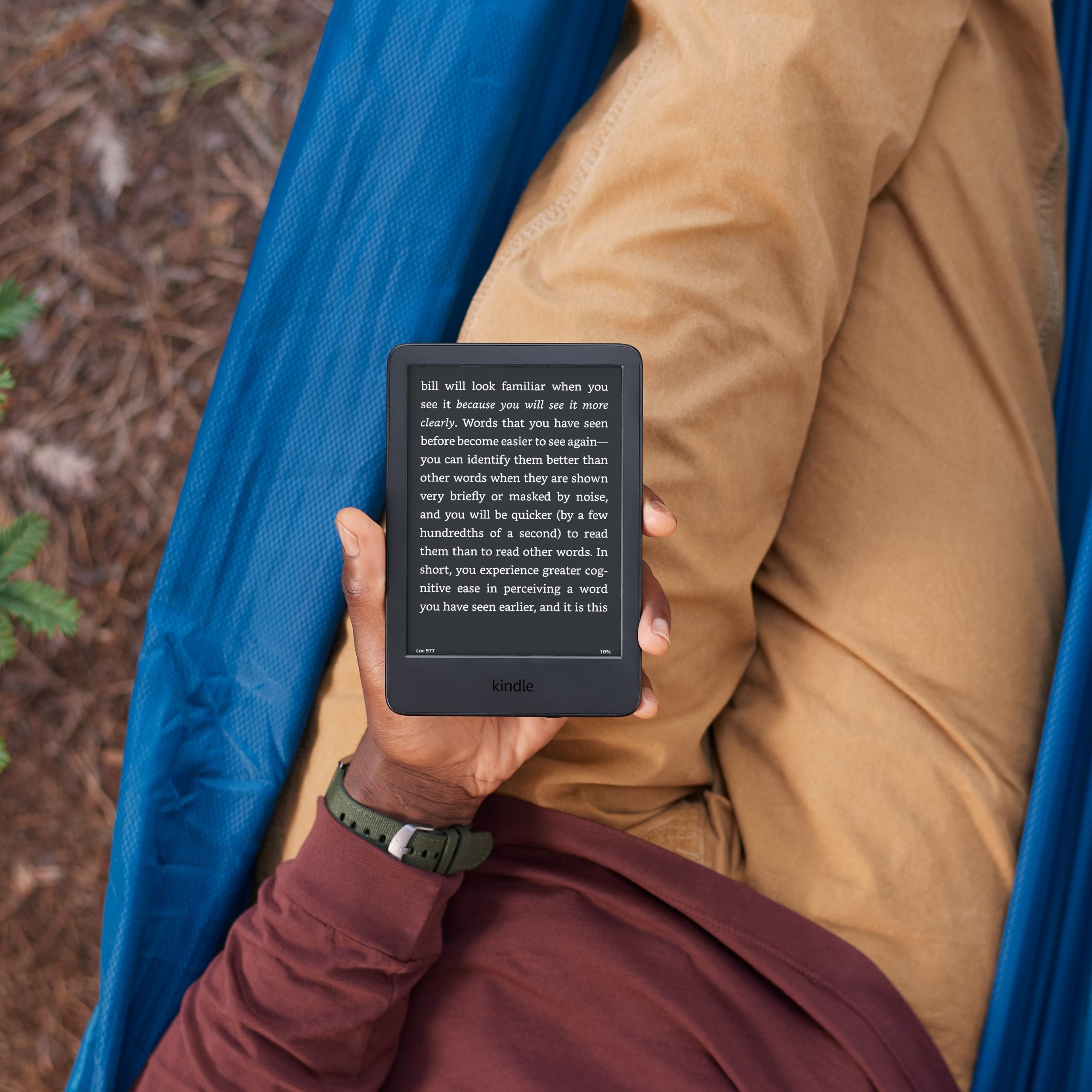
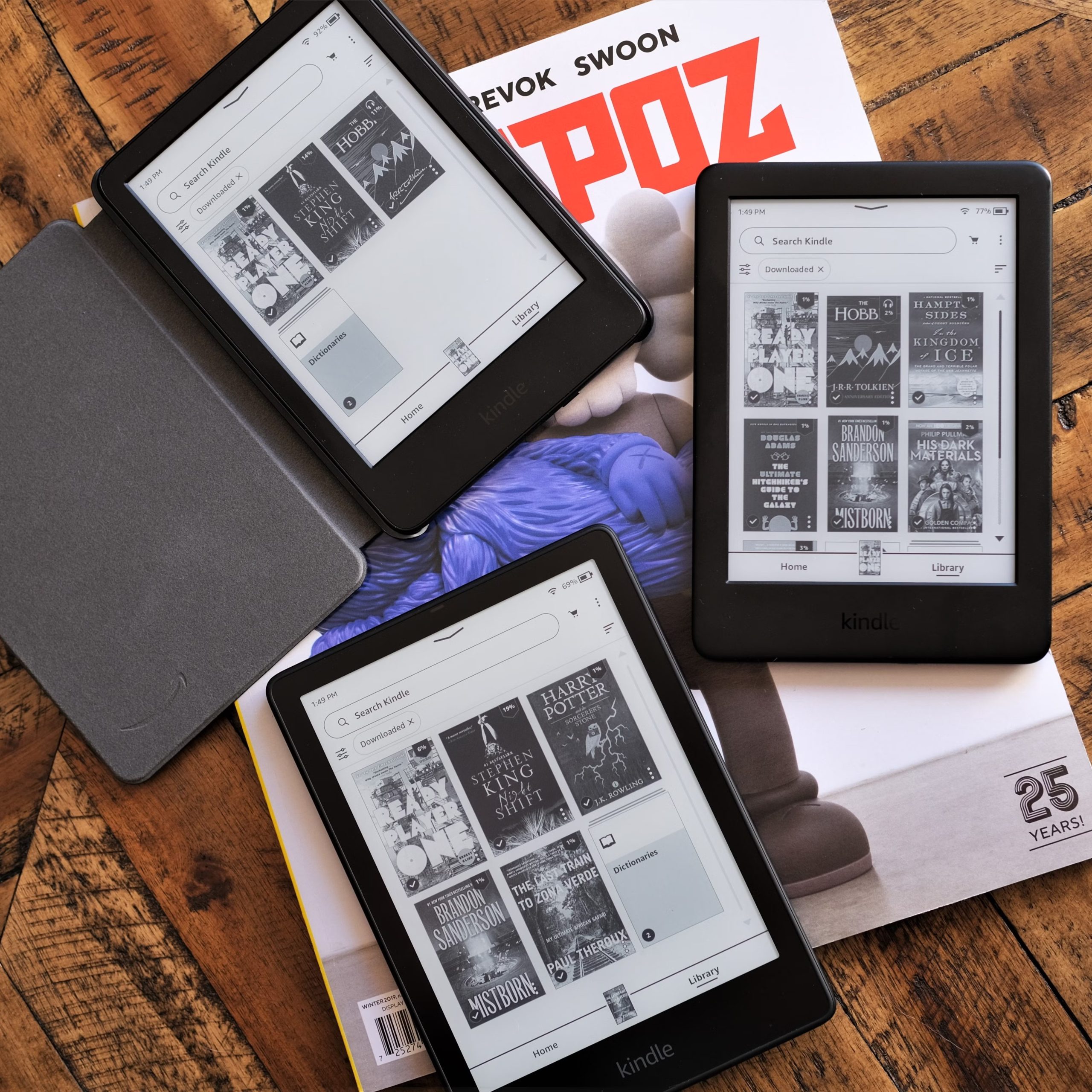
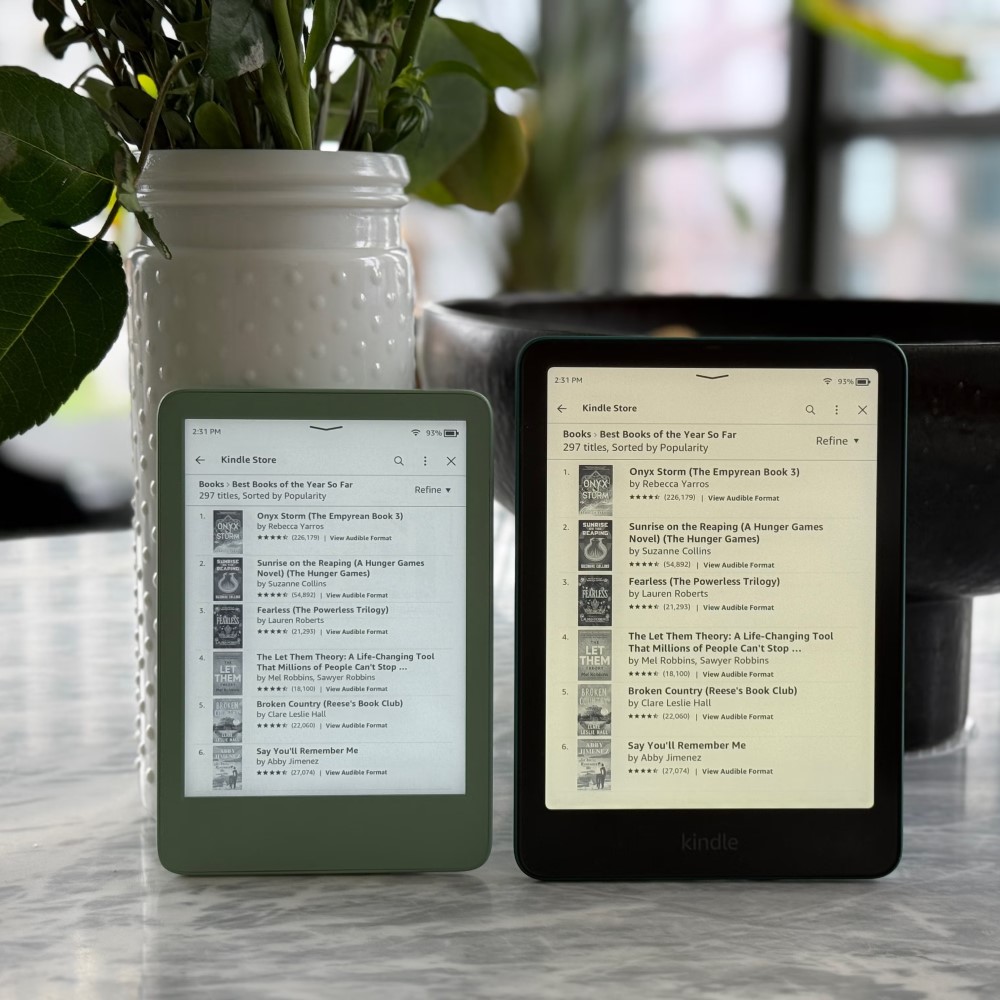
When people talk about a mini Kindle, they usually mean a smaller-than-standard e-reader that’s easier to carry. The original Kindle models were larger, closer in size to a paperback. However, newer versions like the Kindle Paperwhite (10th gen) have slimmer bezels and lighter bodies. This gives them a more compact feel—even though the screen measures 6 inches.
Another candidate for the mini title is the basic Kindle. It maintains a similar footprint but removes premium features like waterproofing. Still, its affordability and simplicity attract budget-conscious buyers.
Size matters for comfort. A true mini Kindle should weigh under 200 grams. This reduces hand fatigue during long sessions. It also fits better in tight spaces, like airplane tray tables or gym lockers.
Design plays a role too. Rounded corners improve grip. Matte finishes resist fingerprints. Slim frames enhance pocketability. All these details contribute to the “mini” experience.
Some users compare it to older PocketBook or Kobo Clara models. But Amazon’s ecosystem—fast syncing, WhisperSync, and Kindle Unlimited—keeps users loyal.
While no official “Mini Kindle” exists, the term reflects demand for something small, smart, and highly usable. That’s exactly what current compact Kindles deliver.
How Screen Size Impacts Reading Comfort
Screen size directly affects how we read on a mini Kindle. Most compact models feature a 6-inch display. This matches the average mass-market paperback. Text appears clear and readable without zooming.
E-ink technology mimics printed paper. It doesn’t emit blue light like tablets. This reduces eye strain significantly. You can read for hours without discomfort.
Text clarity depends on resolution. The mini Kindle typically offers 300 pixels per inch (PPI). This ensures crisp fonts and sharp punctuation. Even tiny footnotes remain legible.
Brightness settings adjust automatically or manually. Warmer lighting options reduce glare at night. You can shift from cool white to amber tones based on time of day.
Font customization adds flexibility. Choose from multiple styles like Bookerly, Baskerville, or Helvetica. Adjust line spacing and margins to suit your preference.
Smaller screens limit multi-column viewing. Unlike large e-readers, they don’t support spreadsheets or complex layouts. But for novels, essays, and articles, they’re perfect.
Children often prefer this size. Their hands handle it easily. Parents appreciate the manageable form factor.
Overall, the 6-inch screen strikes a strong balance. It keeps the device portable while maintaining excellent readability.
 Why the Mini Kindle Is Ideal for Travel and Commuting
One of the biggest advantages of the mini Kindle is its travel-friendly nature. Weighing just a few ounces, it replaces stacks of books. You can carry hundreds of titles without adding bulk. This makes it ideal for flights, train rides, or road trips.
During commutes, space is limited. A mini Kindle fits in coat pockets or cup holders. You won’t struggle to open a heavy hardcover on a crowded bus. Instead, pull out your device and dive right in.
Battery life extends weeks on a single charge. There’s no need to hunt for outlets. Turn off Wi-Fi when not downloading, and it lasts even longer.
Its durability helps too. Many compact Kindles are water-resistant. Spills, rain, or poolside splashes won’t ruin your device. Just wipe it dry and continue reading.
Passengers avoid disturbing others. No glowing tablet screens disrupt fellow travelers. The e-ink display remains dark and subtle.
Students benefit during campus walks. They switch between textbooks and novels seamlessly. Synced notes and highlights stay organized across devices.
Even international travelers love it. Language learners download foreign books. Built-in dictionaries allow instant word lookup.
With so many benefits, the mini Kindle proves itself as the ultimate companion for anyone on the move.
Reducing Eye Strain with E-Ink Technology
A major reason readers choose the mini Kindle is eye comfort. Unlike smartphones or tablets, it uses e-ink technology. This screen reflects ambient light instead of emitting it. As a result, it feels like reading a real book.
Blue light exposure drops dramatically. Most screens flood your eyes with high-energy wavelengths. Over time, this leads to headaches and sleep disruption. The mini Kindle avoids that issue entirely.
You can read in direct sunlight. In fact, visibility improves under bright conditions. Traditional tablets become unusable outdoors. Not so with e-ink.
Auto-brightness adjusts smoothly. Sensors detect surrounding light levels. The screen dims indoors and brightens outside. This prevents sudden shifts that strain vision.
Warm light mode further reduces eye stress. Especially useful at night, it minimizes alertness signals. Your brain stays ready for sleep.
Scrolling motion is eliminated. Pages turn with taps. This reduces visual tracking effort. Less movement means less fatigue.
People with astigmatism or sensitivity report fewer issues. Text edges stay sharp. Halos around letters disappear.
For those recovering from screen overuse, the mini Kindle offers relief. It encourages slower, deeper reading habits.
All these factors combine to protect your eyes. Long-term use doesn’t come at the cost of health.
Comparing the Mini Kindle to Other E-Readers
While several brands offer e-readers, the mini Kindle stands out for integration and ease of use. Devices like Kobo or Nook provide solid performance. They support EPUB files and library borrowing. However, they lack seamless ties to Amazon’s vast content network.
Kindle Unlimited gives access to over a million titles. Subscribers rotate reads monthly. This beats buying individual books. Kobo Plus exists, but selection varies by region.
Whispersync is another advantage. Start reading on your phone. Pick up on your mini Kindle later. Progress, bookmarks, and notes transfer instantly.
Amazon’s store loads fast. Purchases appear within seconds. Third-party stores sometimes delay delivery.
App availability strengthens the ecosystem. Kindle apps exist for iOS, Android, Mac, and PC. Read across all your devices.
Kobo offers microSD expansion. This allows storage of thousands of books. But most users never fill the standard 8–32GB on a Kindle.
Customization differs too. Kobo allows theme changes and home screen edits. Kindle keeps things simple. Some prefer minimalism. Others want control.
Despite competition, the mini Kindle wins for convenience. It works right away. Setup takes minutes.
Ultimately, choice depends on priorities. For plug-and-play ease, nothing beats the mini Kindle.
Storage Capacity and Book Management
Storage may seem limiting on a mini Kindle. Basic models start at 8GB. Higher tiers offer 32GB. But don’t underestimate capacity. An 8GB device holds thousands of text-only books.
Most novels range from 500KB to 2MB. Audiobooks take more space. But the mini Kindle doesn’t play audio natively. Pair it with Audible via Bluetooth if needed.
PDFs and textbooks consume more memory. Complex formatting and images increase file size. Students may need larger storage.
Manage books through the cloud. Delete titles you’ve finished. Re-download anytime. Your entire library stays backed up.
Collections help organize content. Group books by genre, author, or mood. Create folders like “Summer Reads” or “Classics.”
Sync settings keep everything updated. Change font? It applies everywhere. Highlight a passage? It saves to your notebook.
Offload rarely used books to free up space. Keep favorites on the home screen. Rotate seasonal reads easily.
Automatic archiving removes old items quietly. You can restore them later.
Even with modest specs, the mini Kindle handles personal libraries efficiently. Smart management beats constant upgrades.
 Where to Buy and How to Get the Most Value
Finding a genuine mini Kindle starts with trusted retailers. Amazon.com offers new releases, refurbished units, and special editions. Refurbished models save money and perform like new. They include full warranties.
Department stores like Target, Best Buy, and Walmart stock them too. Check online for local pickup deals. Holiday sales bring discounts.
Third-party sellers on eBay or Newegg list used devices. Always verify seller ratings. Look for “Like New” condition and clean IMEI records.
Consider the Kindle Kids Edition. It comes with a protective case and 2-year worry-free guarantee. Accidental damage is covered. This version closely matches the mini Kindle idea.
Bundle deals add value. Some packages include magazine subscriptions or Audible credits. Watch for back-to-school or Black Friday offers.
Buy during Prime Day or Cyber Monday. Price drops happen yearly. Older models get marked down when new ones launch.
Check exchange programs. Amazon accepts old devices for credit. Use that toward a refreshed mini Kindle.
Avoid gray market imports. They may lack proper warranty or power adapters. Stick to domestic sellers when possible.
 Frequently Asked Questions
Many potential buyers have common concerns. Below are answers to frequent questions.
Is there really a product called “mini Kindle”?
No. Amazon does not use that name. Users apply it to smaller Kindles like the base model or Paperwhite.
Can I read textbooks on a mini Kindle?
Yes. Upload PDFs via USB or email. Zoom and reflow features help readability.
Does it work without Wi-Fi?
Yes. Download books first. Then read offline indefinitely. Battery lasts weeks.
Some titles allow lending once. Go to “Manage Content” and select “Loan this book.”
Is the screen touch-sensitive?
Yes. Tap to turn pages. Swipe for navigation. No buttons required.
Can I listen to audiobooks on it?
Not directly. Pair with Bluetooth headphones and run Audible on another device.
How do I return a book early?
Go to “Manage Your Content.” Select the book. Click “Deregister” or “Delete.”
Does it support library books?
Yes. Use the Libby app on another device. Send books to your Kindle via Wi-Fi.
 Final Thoughts
The mini Kindle continues to win readers’ trust through simplicity, reliability, and thoughtful design. Though not an official product name, the term captures what many want—a compact, powerful e-reader that fits life on the go. It supports deep reading, protects eye health, and integrates seamlessly into daily routines.
From morning coffee to late-night chapters, it adapts to every moment. Students, travelers, parents, and seniors all find value in its quiet efficiency.
More than just a gadget, the mini Kindle promotes focus in a distracted world. It invites us to slow down and enjoy stories again.
In conclusion, whether you call it a basic Kindle, a Paperwhite, or a mini Kindle, the experience remains unmatched. Once you try it, few go back to paper—or tablets.