



The Mazda RX2 holds a special place in automotive history. It emerged during the early 1970s as part of Mazda’s bold push into rotary engine technology. Unlike most cars of its time, the RX2 used a Wankel rotary engine instead of a traditional piston-based design. This gave it smooth power delivery and high-revving performance. As a result, drivers experienced a unique blend of agility and responsiveness.
Moreover, the Mazda RX2 was more than just an experiment. It proved that rotary engines could work in daily-driven vehicles. Sold between 1970 and 1978, it gained popularity across Japan, North America, and Australia. Its compact size, rear-wheel-drive layout, and sporty character made it stand out. Even today, collectors and restorers seek out well-preserved models. Clearly, the legacy of the Mazda RX2 continues to grow with time.
 The Birth and Evolution
From Grand Familia Roots to Rotary Revolution
The Mazda RX2 started life as a performance version of the Grand Familia sedan. However, it quickly evolved into something far more exciting. Engineers replaced the standard four-cylinder engine with a 1.3-liter 13B rotary unit. This change transformed the car from practical family transport into a nimble sports coupe. Drivers immediately noticed the difference in acceleration and refinement.
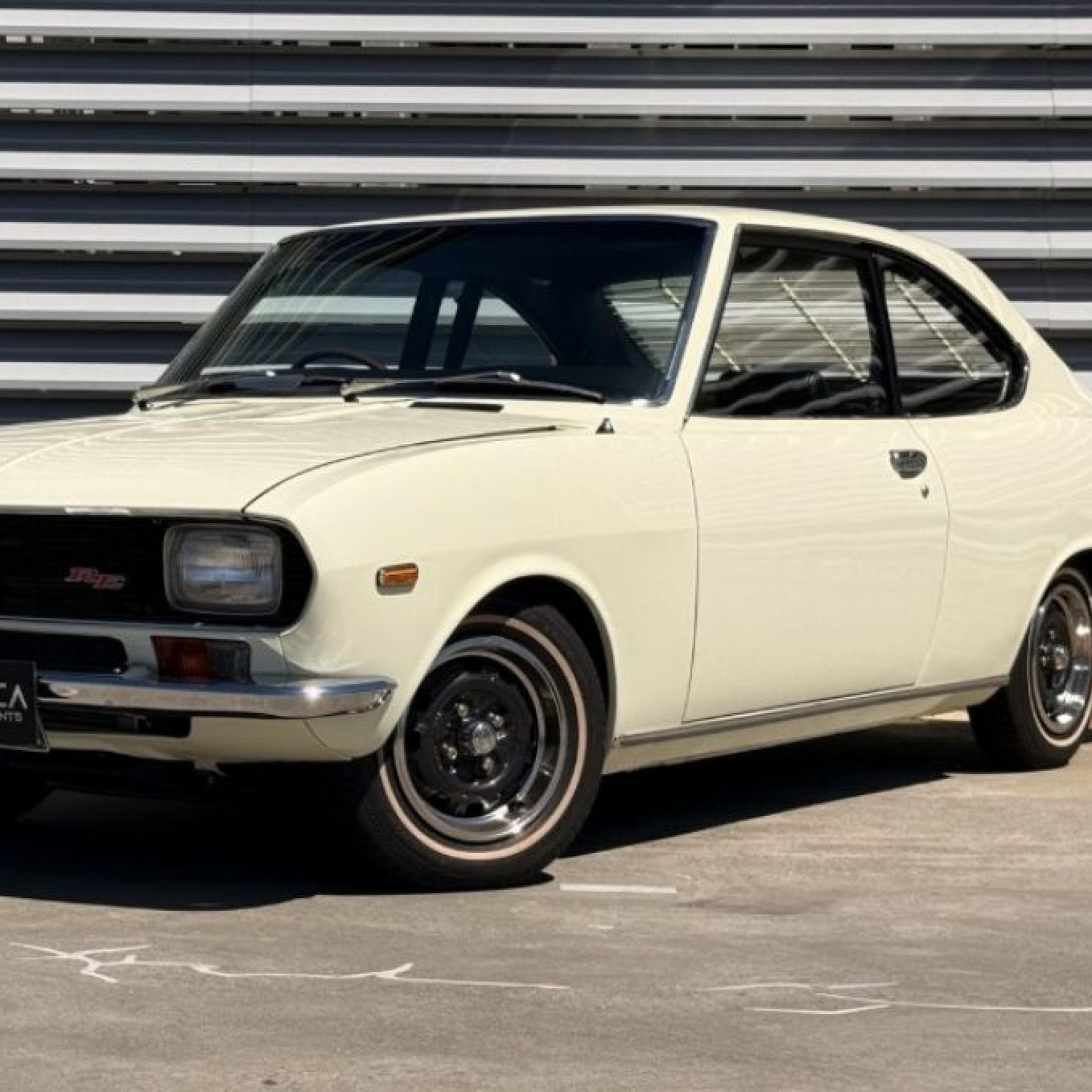
Then, in 1973, Mazda introduced a new body style—the RX-2 hardtop coupe. This model featured sleeker lines and improved aerodynamics. Its fastback roofline gave it a modern look for the era. Interiors also received upgrades, including better seats and trim materials. As a result, the driving experience became more engaging.
Over time, emissions regulations began affecting performance. To comply, Mazda adjusted carburetion and ignition timing. Power output decreased slightly in later models. Nevertheless, the rotary’s signature smoothness remained intact. Many owners appreciated its reliability when maintained properly.
In export markets like the U.S. and Australia, the Mazda RX2 built a strong reputation. Australian buyers especially embraced it for motorsport use. Local racers modified them for touring car competitions. Success on track boosted street appeal even further.
Eventually, production ended in 1978. Yet, the foundation had been laid for future rotary legends like the RX-3 and RX-7. The Mazda RX2 served as a crucial stepping stone. Without its success, Mazda might not have continued developing rotary-powered vehicles.
Design and Styling Features That Define the RX2
Clean Lines, Functional Details, and Timeless Appeal
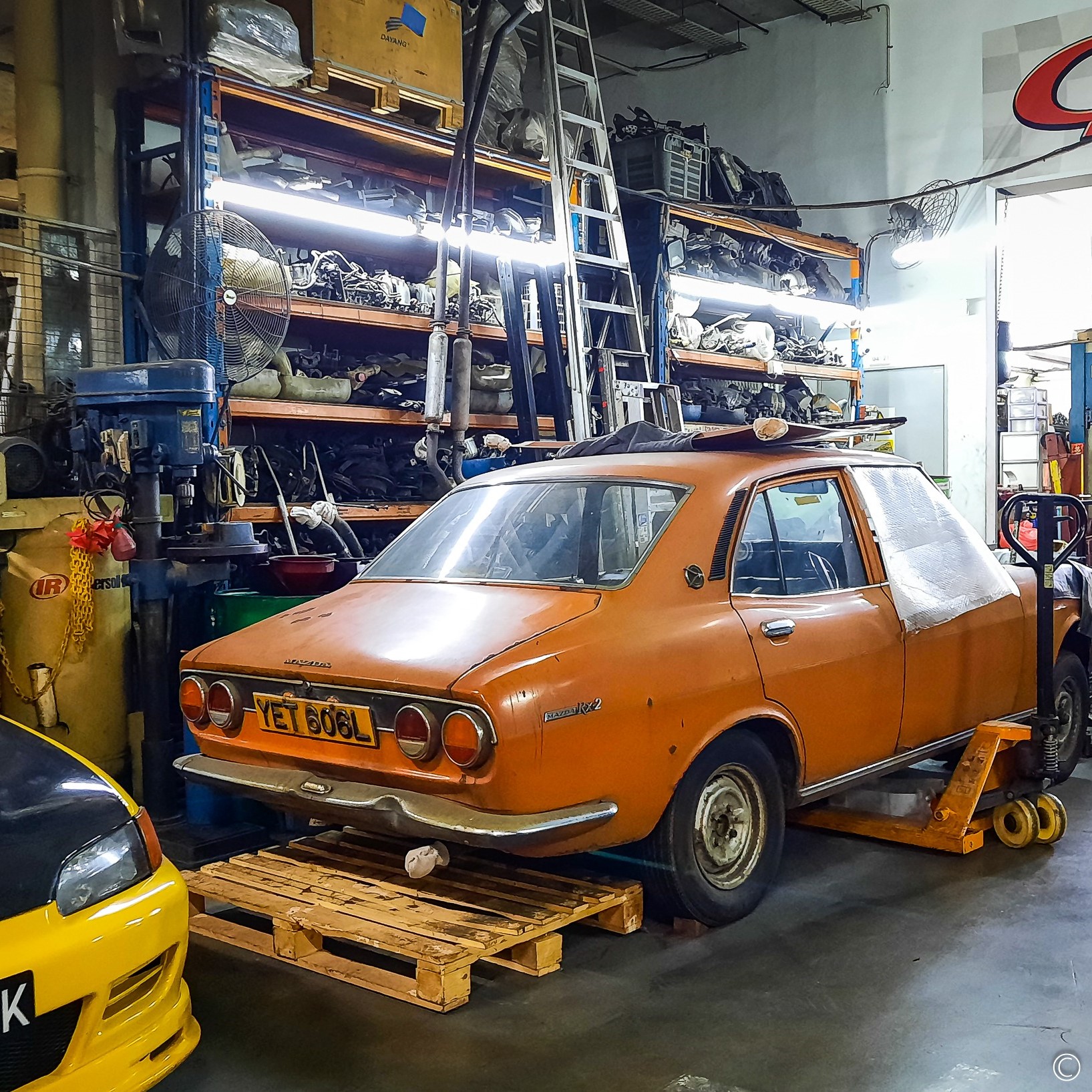
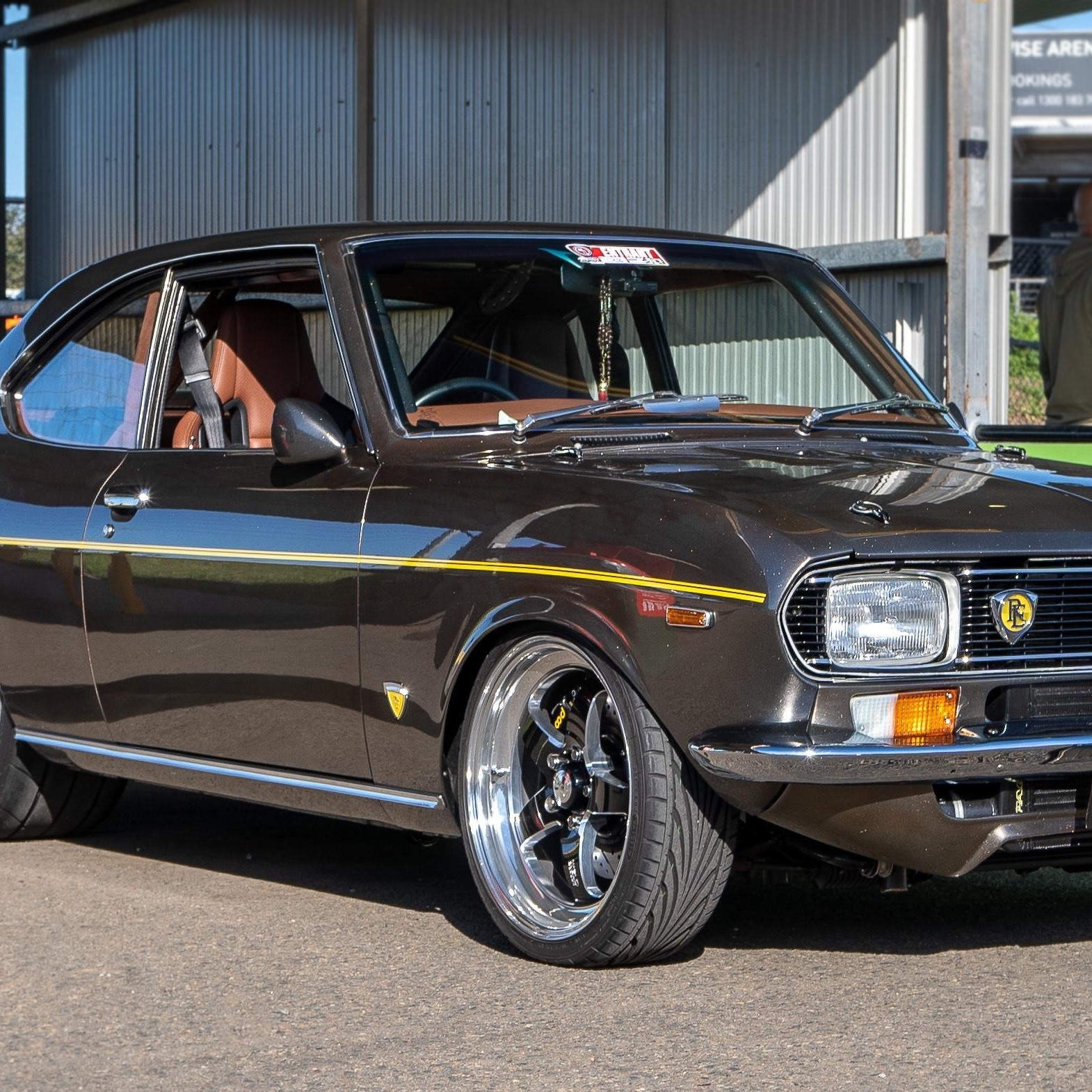
Visually, the Mazda RX2 balanced simplicity with sportiness. Early sedan versions looked similar to the Grand Familia. However, badging and subtle trim cues set them apart. Side stripes, unique hubcaps, and “Rotary” emblems signaled its special status. These small touches attracted attention without being flashy.
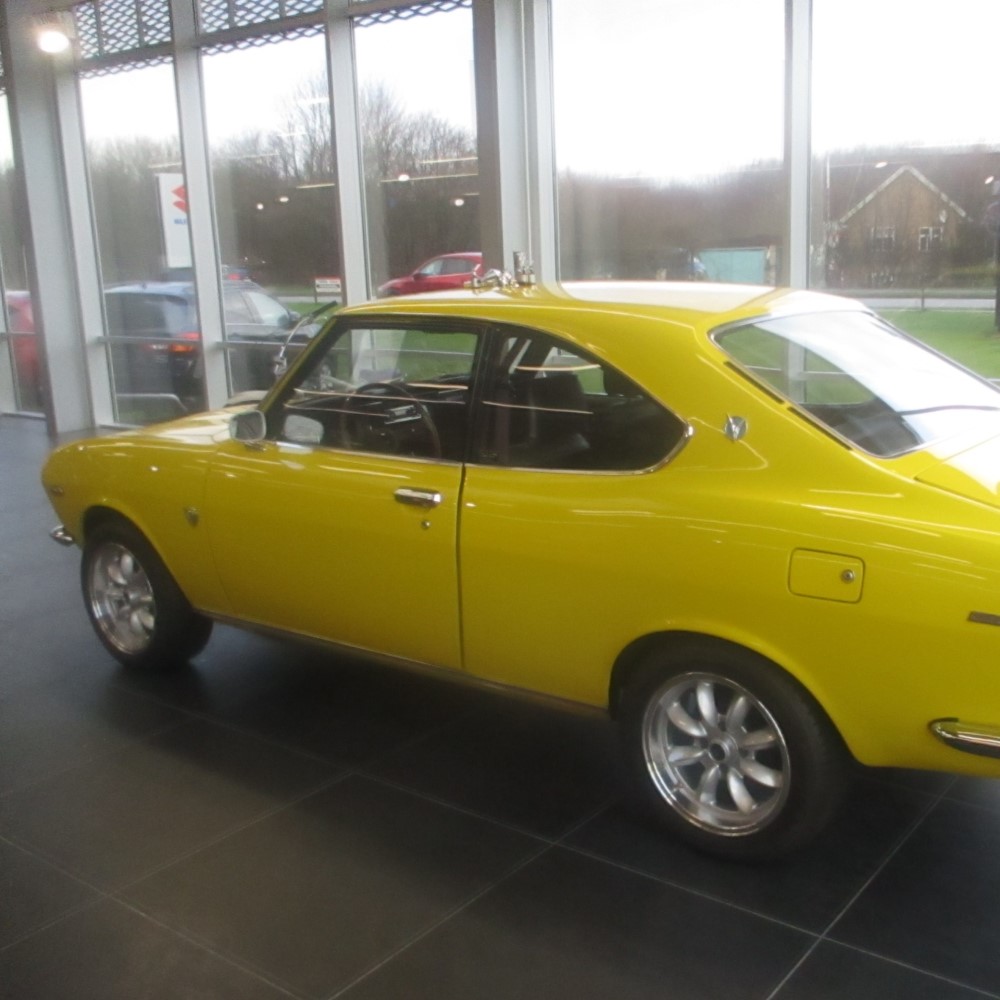
Later coupes took styling further. The hardtop design removed the B-pillar, creating a seamless side profile. Chrome trim ran along the beltline, enhancing elegance. Front grilles varied by market but often included horizontal bars and round headlights. Taillights were large and rectangular, typical of the 1970s aesthetic.
Underneath, the chassis used a double-wishbone front suspension. The rear relied on a solid axle with leaf springs. While basic by today’s standards, this setup delivered predictable handling. Combined with light weight, it made the RX2 fun to drive on winding roads.
Wheels were usually 13 inches in diameter. Steel rims with full wheel covers came standard. Performance-oriented buyers could opt for alloys or wider tires. Brake discs were fitted up front, while drums handled the rear. Stopping power was adequate for the car’s speed.
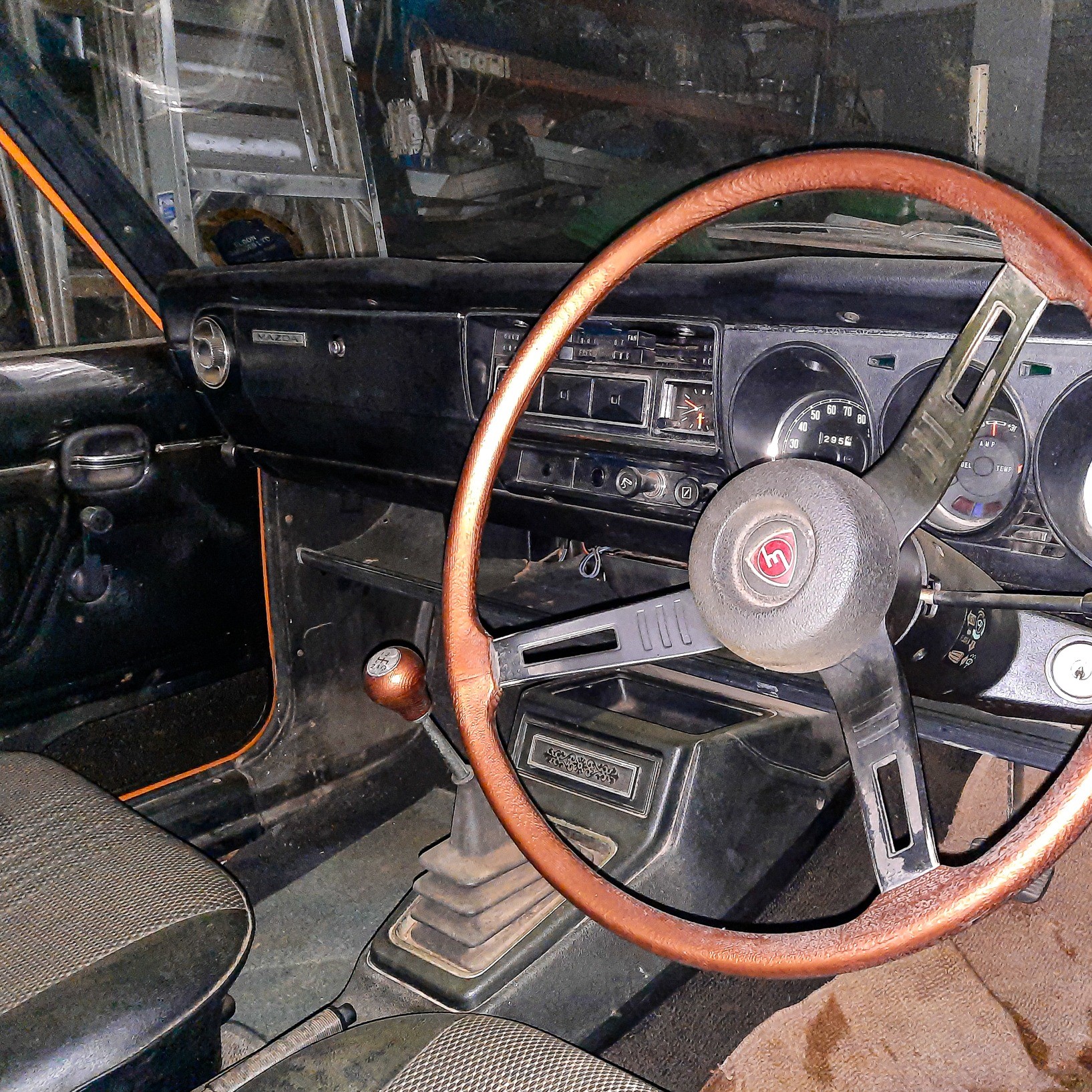
Interior space was modest but functional. Cloth upholstery covered bucket seats in most trims. A three-spoke steering wheel added a sporty touch. Gauges were analog and easy to read. Air conditioning and radios were optional extras. Over time, enthusiasts have upgraded cabins with modern conveniences.
Even now, the RX2’s design feels authentic. It avoids the excess common in later decades. Simplicity and purpose define its charm. Restored examples turn heads at classic car shows.
 Why the Rotary Engine Made the Mazda RX2 Special
Engineering Innovation Behind the 13B Powerplant
At the heart of the Mazda RX2 sat the 13B twin-rotor engine. This was not a conventional piston engine. Instead, it used triangular rotors spinning inside an oval chamber. This design created continuous combustion cycles. As a result, the engine ran smoother and vibrated less than most contemporaries.
Power outputs ranged between 100 and 130 horsepower depending on region and year. While modest by modern standards, this was impressive for a 1.3-liter displacement. The rotary revved freely, often reaching over 6,000 RPM. Throttle response felt immediate, making city driving and overtaking easier.
Fuel delivery came via one or two carburetors. Japanese and European models typically used a single two-barrel unit. North American versions received dual two-barrel carbs for added airflow. This boosted performance but increased fuel consumption. Owners learned to balance power with economy.
One major benefit was compact size. The rotary engine took up less space than inline-fours. This allowed for better weight distribution. The RX2 achieved near 50/50 balance, improving cornering stability. Handling felt sharp and direct as a result.
However, rotary engines required specific maintenance. They burned oil through metered injectors. Checking and topping up engine oil was essential. Neglecting this led to poor performance or damage. Additionally, apex seals wore faster under heavy loads. Regular inspections prevented costly repairs.
Despite challenges, fans loved the sound and feel. The high-pitched whine at full throttle became iconic. Even today, few engines produce such a distinctive note. The Mazda RX2 helped cement that identity early on.
Global Markets and Regional Variations of the RX2
How Different Countries Shaped the RX2 Experience
The Mazda RX2 was sold worldwide, but specs varied by market. In Japan, it launched as the R1300 GT or Savanna GT. These models emphasized luxury and performance. Buyers could choose sedans, coupes, or wagons. Trim levels included additional gauges and chrome accents.
North American versions focused on durability and emissions compliance. The U.S. received the RX-2 name starting in 1970. Federal regulations required changes like catalytic converters and lower compression. Horsepower dropped compared to earlier models. However, reliability improved due to stricter quality control.
Australia played a key role in the RX2’s racing legacy. Local motorsports teams adopted it for touring car championships. Modified RX2s competed against larger rivals like Ford Falcons and Holden Monaros. Surprisingly, they often finished near the top. Lightweight construction and nimble handling gave them an edge.
Canadian imports mirrored U.S. specs closely. Distributors offered similar trim packages and engine options. Cold-weather adaptations included block heaters and sturdier batteries. These ensured reliable starts during harsh winters.
European models leaned toward efficiency. Fuel economy mattered more there due to higher gas prices. Some countries taxed cars based on displacement. Since rotaries were rated differently, the RX2 fell into favorable categories. This made ownership more affordable.
Right-hand-drive versions dominated exports outside North America. Left-hand-drive models were rarer. Today, restored right-hand-drive RX2s are prized by collectors. Each region contributed to the car’s diverse heritage.
 Ownership Experience: Living with a Mazda RX2 Today
Practicality, Maintenance, and Community Support
Owning a Mazda RX2 today is both rewarding and demanding. Finding a clean example takes effort. Rust, especially in floor pans and rocker panels, is common. Older paint may show fading or cracking. Buyers should inspect thoroughly before purchasing.
Once acquired, regular maintenance keeps the car running well. Oil changes are frequent—every 3,000 miles is recommended. Using high-quality synthetic oil helps protect internal components. Checking the coolant system prevents overheating issues.
Rotary-specific care includes monitoring apex seal health. Compression tests reveal wear early. Low readings mean potential rebuilds. Fortunately, many shops specialize in rotary engines. Parts remain available through niche suppliers and online forums.
Driving the RX2 feels nostalgic yet refreshing. Steering is unassisted but communicative. Brakes require firm pedal pressure. Acceleration is linear, building smoothly to redline. Modern traffic can feel overwhelming at first. However, drivers adapt quickly.
Fuel economy averages between 18 and 24 MPG. City driving consumes more due to idling and short trips. Highway cruising improves efficiency. Carrying extra oil is wise since some burning occurs during normal operation.
Enthusiast communities provide excellent support. Online groups share restoration tips and sourcing advice. Events like rotary meets allow owners to connect. Knowledge spreads fast among passionate members.
Insurance costs vary. Classic car policies often cover RX2s affordably. Storage in a garage protects against weather damage. Overall, ownership rewards patience and passion.
 Frequently Asked Questions
Answers for Buyers, Restorers, and Curious Fans
Is the Mazda RX2 reliable? Yes, if maintained properly. Rotaries need consistent oil checks and cooling system care. Avoid long idle periods. Drive regularly to keep seals conditioned.
Can you daily drive an RX2? Some do, but it’s challenging. Parts availability affects repair times. Weather protection and secure parking help. Use it for weekend drives if possible.
How much does a restoration cost? It varies widely. Basic mechanical rebuilds start around 3,000.Fullconcours−levelrestorationsexceed15,000. Budget for surprises like rust or electrical faults.
Are spare parts easy to find? Common items like filters and belts are available. Rare trim pieces take longer to locate. Join clubs to access private networks.
Does the RX2 hold value? Well-maintained models appreciate slowly. Originality increases worth. Proven race history adds premium pricing.
Can beginners work on an RX2? With research, yes. Start with simple tasks like fluid changes. Learn rotary basics before tackling engine work.
Is insurance expensive? Not usually. Collector policies treat it as a classic. Usage limits apply, so confirm terms first.
These answers help guide decisions. Knowledge reduces risk and increases enjoyment.
 Final Thoughts
Why This Classic Still Matters in Automotive Culture
In conclusion, the Mazda RX2 remains a symbol of innovation and passion. It brought rotary power to mainstream buyers during a transformative decade. Its influence paved the way for legendary successors like the RX-7 and RX-8. Even now, the question “what is a true driver’s car?” leads back to models like the RX2.
Moreover, the Mazda RX2 represents resilience. Despite technical challenges, it earned loyalty from owners worldwide. Enthusiasts continue restoring, modifying, and racing these machines. Their dedication keeps the spirit alive.
Technology has advanced, but emotion defines classic cars. The RX2 delivers excitement through simplicity. No computers, no traction control—just raw connection between driver and road. That purity is rare today.
Whether you’re a collector, tinkerer, or admirer, the Mazda RX2 offers something meaningful. It reminds us of a time when automakers took risks. Mazda bet on an unconventional engine—and won respect. For all these reasons, the Mazda RX2 deserves its honored place in history.